Blog 24: Avoid These Common QBR Mistakes: Tips for Keeping Clients Engaged

Quarterly Business Reviews (QBRs) are a powerful opportunity to strengthen client relationships, showcase value, and drive future growth. However, even well-intentioned QBRs can fall flat if they’re not executed effectively.
To make sure your QBRs are productive and engaging, it’s crucial to avoid these common mistakes. Here’s how you can refine your approach and deliver QBRs that clients genuinely value.
Mistake 1: Treating the QBR as a Status Update
A common pitfall is using the QBR to rehash everything that’s already been communicated through emails or weekly calls. Clients don’t need a detailed history lesson—they want a forward-focused conversation.
- Why It Happens: Many account managers default to status updates because they think it demonstrates thoroughness.
- How to Avoid It: Spend most of the QBR discussing future plans, strategic goals, and upcoming opportunities. Limit the review of past performance to a concise summary.
Mistake 2: Overloading Clients with Data
While data is essential for showcasing results, too much of it can overwhelm and disengage clients. Clients need insights, not a flood of raw metrics.
- Why It Happens: Account managers often believe that more data proves their value.
- How to Avoid It: Focus on 3-5 key metrics that align directly with the client’s goals. Provide context for the data and explain how it ties to their success.
Mistake 3: Skipping Personalization
Using a one-size-fits-all approach to QBRs can make your meeting feel generic and impersonal. Clients want to see that you’ve tailored the QBR to their unique needs and priorities.
- Why It Happens: A standardized format is often easier to prepare, especially with multiple accounts.
- How to Avoid It: Customize the agenda, data, and recommendations to reflect the client’s specific challenges, goals, and recent feedback.
Mistake 4: Forgetting to Address Challenges
Avoiding difficult conversations about challenges or unmet goals can lead to mistrust. Clients value honesty and proactive solutions more than a sugar-coated presentation.
- Why It Happens: Some account managers fear that addressing challenges may make them look unprepared.
- How to Avoid It: Acknowledge any obstacles and share the steps you’re taking to address them. Use this as an opportunity to show your problem-solving skills and commitment.
Mistake 5: Failing to Define Next Steps
A QBR without clear next steps can leave clients wondering, "What happens now?" Without actionable takeaways, the meeting loses momentum and impact.
- Why It Happens: The focus is often on reviewing the past quarter rather than planning for the future.
- How to Avoid It: End every QBR with a clear action plan that includes specific deliverables, timelines, and responsibilities.
How to Turn QBR Mistakes into Opportunities
By avoiding these common pitfalls, you can transform your QBRs into high-impact meetings that:
- Keep clients engaged and focused.
- Showcase your strategic value.
- Build stronger partnerships that drive long-term growth.
QBRs are more than a routine checkpoint—they’re a chance to strengthen your role as a trusted advisor and create a clear path for future success.
By steering clear of these common mistakes and focusing on what matters to your clients, you’ll ensure your QBRs are engaging, productive, and valuable.
Ready to deliver exceptional QBRs that win renewals and build loyalty? Join our QBR Mastery course to access proven frameworks, client-centric strategies, and tools you can use immediately to drive results.
Don’t miss your chance to elevate your QBR game - learn more about our QBR Mastery program here: https://www.amplifyam.com/qbr-mastery
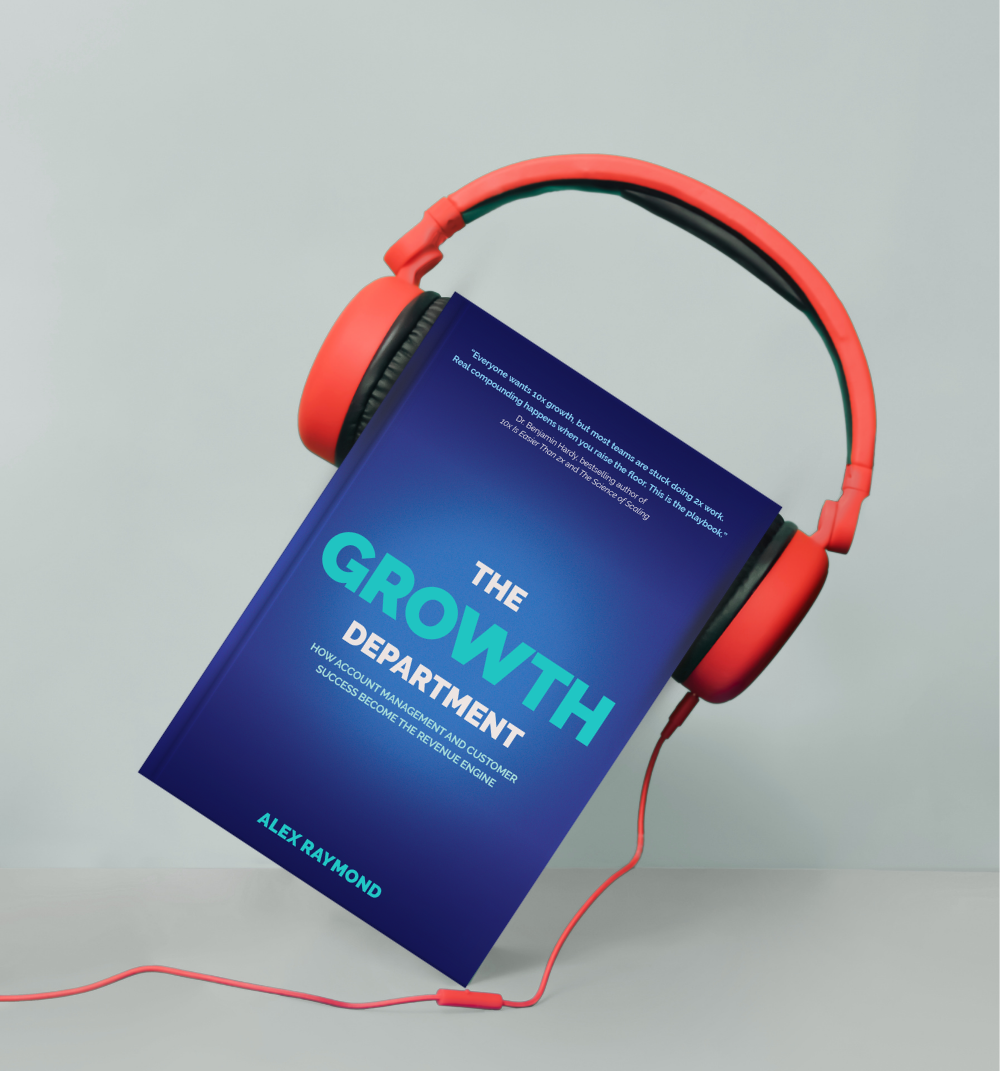
Listen to The Growth Department for Free